

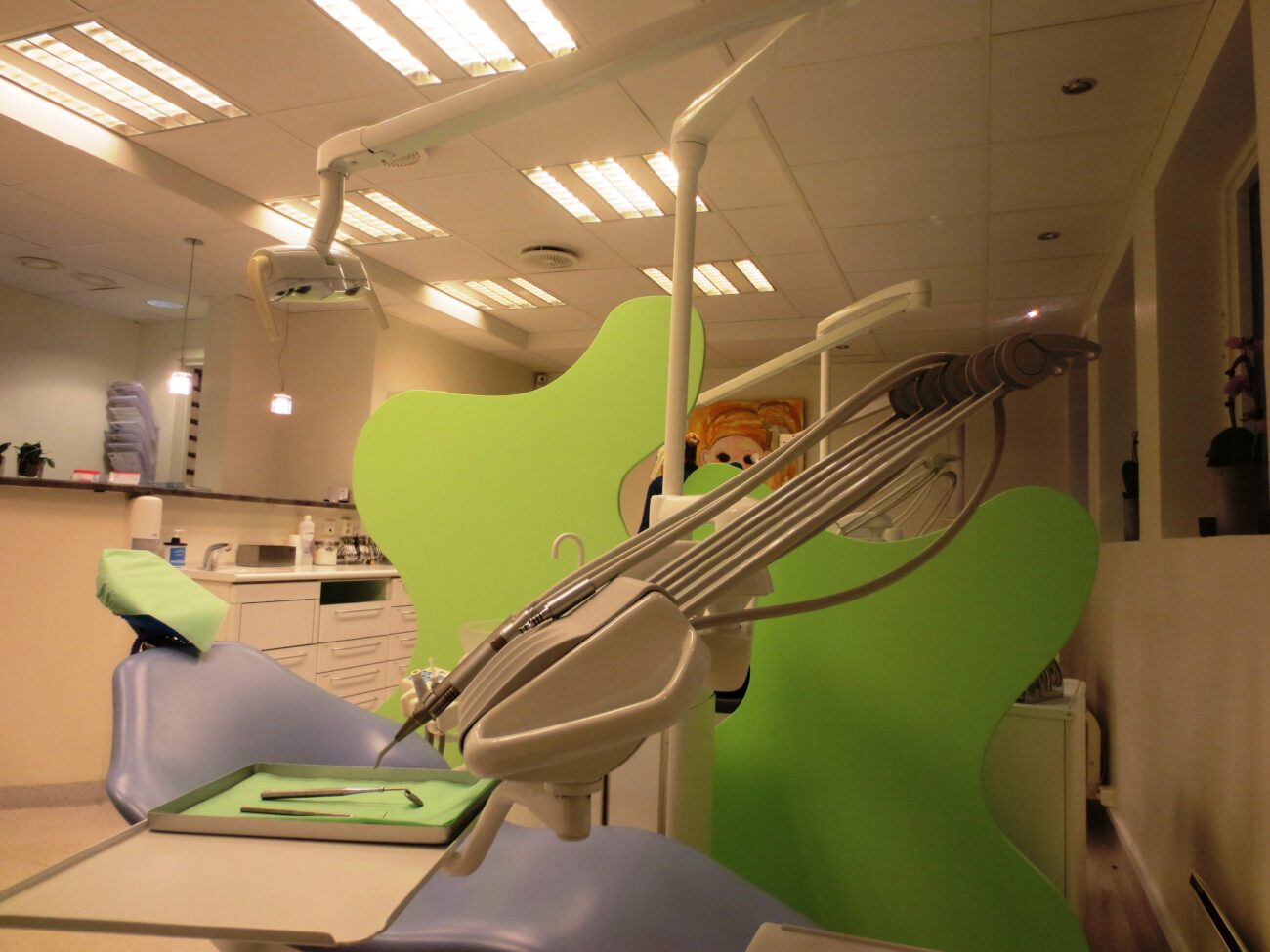
A dental practice has introduced a new customer-experience initiative designed to ensure every patient feels heard, even while they are actively unable to speak. The scheme, branded the Live Comfort Survey, asks patients to provide feedback during treatment using interpretive blinking.
The practice said the change reflects a commitment to modern standards. ‘People expect personalisation,’ a receptionist explained. ‘They also expect to express themselves at all times. We saw an obvious gap in the patient journey: the moment someone has two hands occupied and a mouth full of tool.’
Under the new system, patients are offered a laminated card before sitting down. The card lists common feelings, including ‘fine’, ‘not fine’, and ‘thinking about the concept of enamel’. Patients are instructed to select options by pointing, nodding, or making a noise that the practice describes as ‘interpretable’.
Staff said the form improves efficiency. Rather than stopping to ask ‘are you okay?’ and receiving an unclear sound in response, dentists can now watch a small screen that displays a live Comfort Bar, updated whenever the patient raises a finger. The bar includes a helpful warning when the patient begins to look like they are doing maths in their head to distract themselves.
The initiative also includes a new policy called Constructive Pain. Patients are encouraged to keep feedback ‘solution-oriented’, using approved options such as ‘slightly uncomfortable’ rather than ‘please stop’. A spokesperson said this helps maintain a positive atmosphere and prevents negative language from spreading around the waiting room.
Patients have had mixed reactions. Some praised the clinic for its commitment to communication. Others said the process feels like being asked to complete a survey during a rollercoaster. The practice said it understands the concern and has added an optional feature: a post-treatment printout titled What You Meant, summarising the patient’s muffled sounds into neat, polite sentences.
The clinic confirmed it is developing an advanced version of the form that will allow patients to select ‘nuance’, provided they can do so without moving their jaw.
