

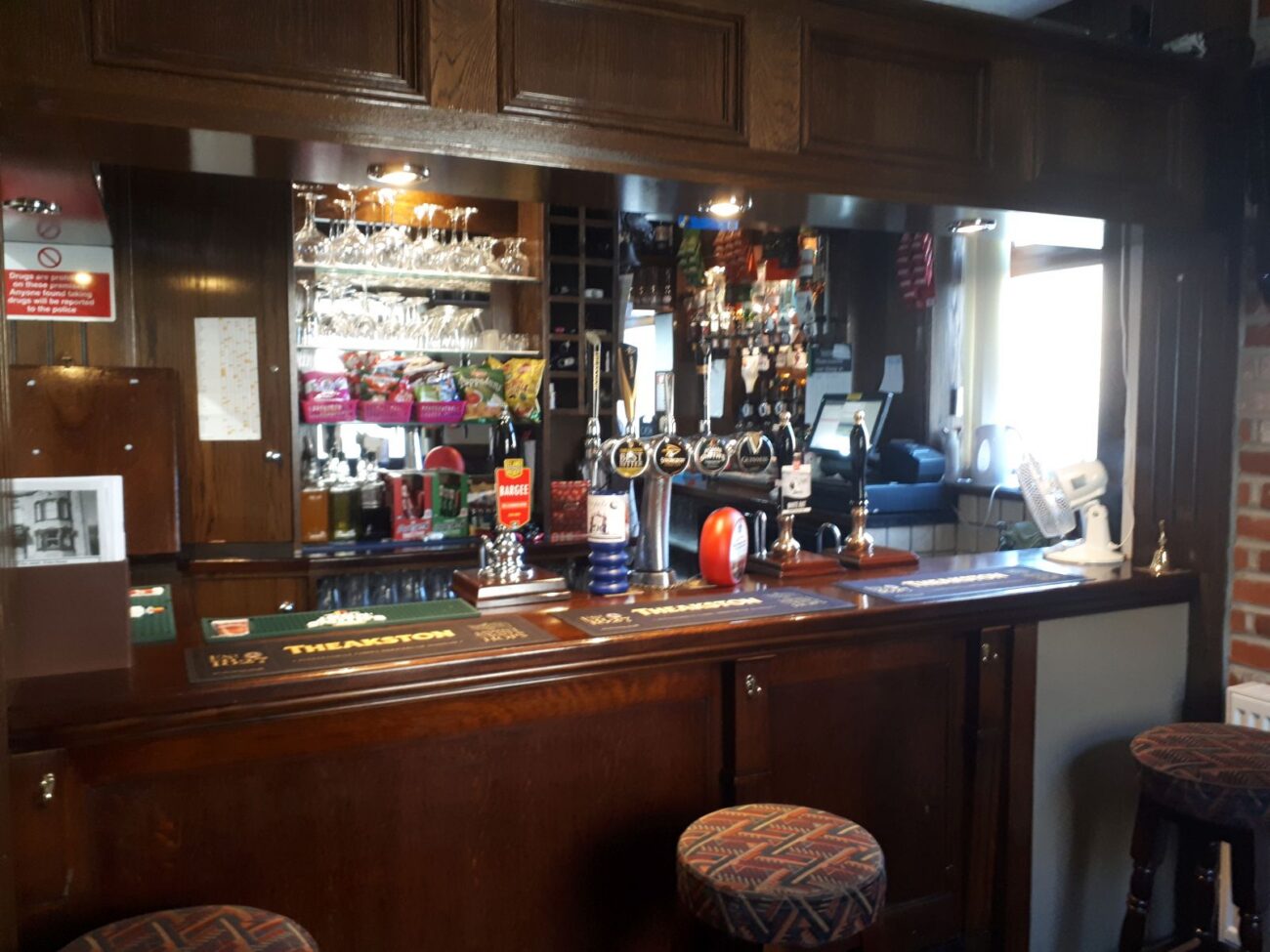
A major pub group operating across the UK has quietly introduced a Round Readiness Check across a trial network of forty-three venues, following an internal review which found that a significant proportion of table groups were placing secondary drink orders before they had established — either collectively or individually — what they wanted, why they wanted it, or who among them was taking responsibility for the round.
The scheme, which group management describes as a “structured drink-confidence initiative,” places a laminated four-question card at each table before a second order can be taken. Customers are invited to work through the card as a group, selecting whether their round status is Committed (all parties decided), Leaning (direction of travel established), or Unclear (no working consensus yet). Tables returning a result of Unclear are automatically entered into a Round Guidance Queue, in which a member of staff visits to offer a short verbal orientation before any order is confirmed.
The group’s Head of Customer Experience, in remarks shared with trade press, said the check was introduced after footfall data and bar tab analysis identified what he described as a “confidence gap” — a period between finishing one drink and deciding on the next that was “longer than necessary in most cases, and potentially longer than the drink itself warranted.” He declined to specify what the acceptable window was, though noted that Committed tables typically closed the gap in under two minutes.
A third category, Round Ambiguous, covers groups in which some members have expressed a preference and others have not yet contributed to the discussion. Round Ambiguous tables receive an information card explaining that a confirmed order cannot be placed until a simple majority has declared. Where a majority cannot be established, the table is offered a complimentary bowl of crisps — described in the card as “a moment of structural clarity” — and given a further five minutes before being reassessed.
Drinks industry observers have noted that the scheme introduces a form of order governance at the table level, replacing the traditional approach — in which one member simply goes to the bar — with a facilitated consensus process. The group has acknowledged that some customers “engaged more naturally with the format than others,” and that staff training for Round Guidance interactions had required a dedicated half-day module.
A pilot extension is expected at twenty additional sites before the summer, with plans to introduce a Digital Round Confirmation option for venues operating tableside tablet ordering. The group says it is also exploring a Round Legacy tier for tables of six or more, under which any participant whose preference was overruled on the previous round would have their position formally noted and carried forward as an opening position in the next round’s deliberations.
No timetable for national rollout has been confirmed. The group said it was “committed to reviewing the data before drawing conclusions,” though a summary of trial findings is expected to be presented to an internal working group before the end of the quarter. Feedback forms for participating customers are available at the bar, pending confirmation of which queue applies.
