

A new report has found that “free speech” is most effective when used in complete isolation, with respondents reporting peak satisfaction when nobody else attempts it at the same time.
The study, conducted over several weeks, asked participants to rate their commitment to open debate across a range of situations, including television panels, comment sections and family group chats. Researchers found that support for free expression remained high so long as the expression in question sounded familiar, arrived at a convenient volume, and did not create the impression that anyone might have to sit quietly for five seconds.
When presented with examples of people expressing different opinions, however, many participants reported experiencing symptoms associated with “censorship”, including a sudden desire for rules, a belief that someone should be “held accountable”, and a strong urge to introduce a new category of speech called “not like that”.
“The results suggest a modern, streamlined view of liberty,” the report concludes. “Individuals want the freedom to speak, the freedom to be agreed with, and the freedom to hear only what they already meant.”
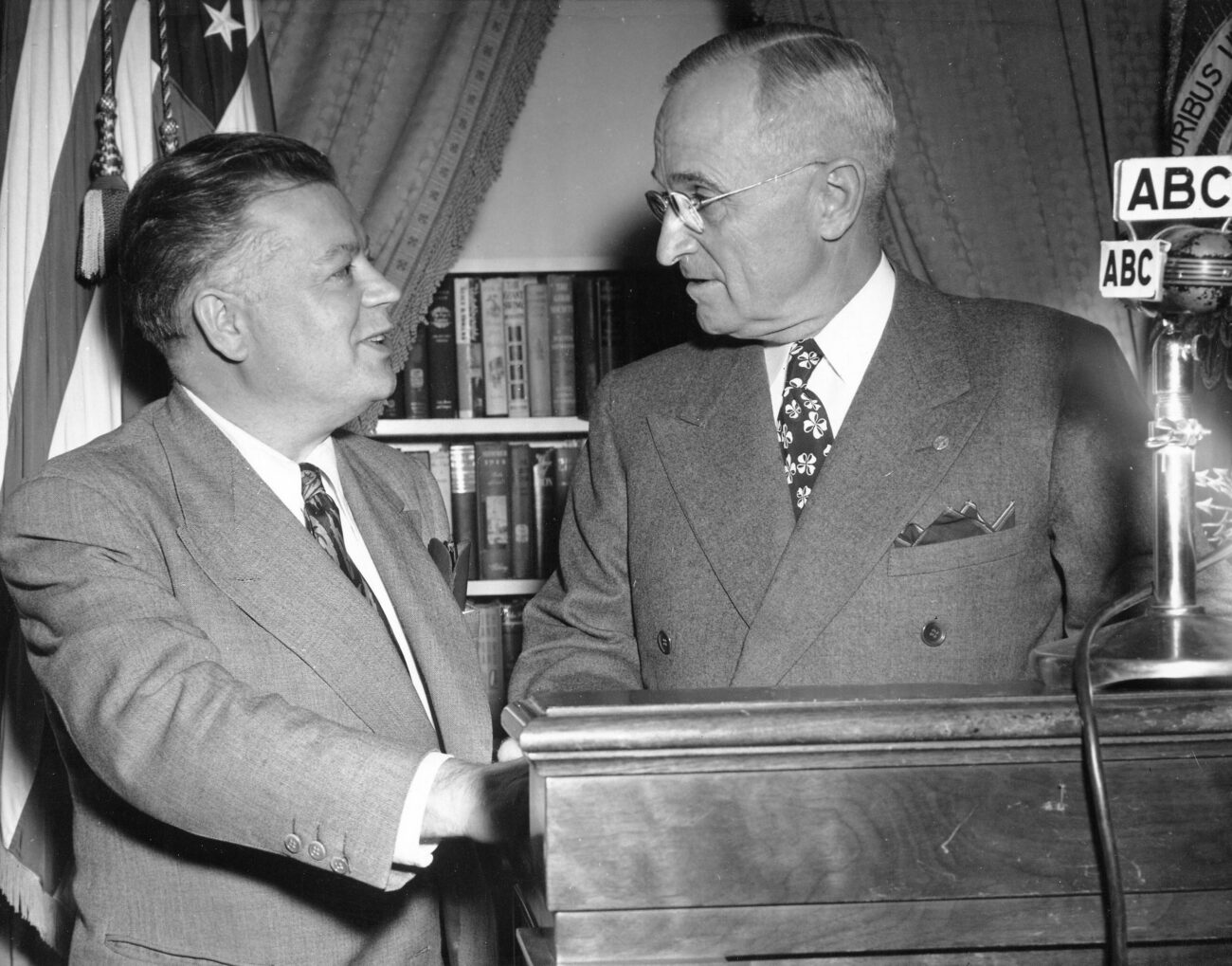
In controlled trials, participants were asked to stand in a room containing a single microphone and an opposing viewpoint. Support for free speech dropped sharply as soon as the opposing viewpoint attempted to use the microphone. Several participants attempted to solve the problem by repositioning the microphone closer to themselves while insisting they were “not stopping anyone”.
Experts said the findings help explain the growing popularity of “debate” formats in which one person speaks uninterrupted while the other is repeatedly described as “shouting”. According to the report, the ideal environment for free speech features “a wide range of perspectives”, so long as those perspectives remain seated off camera.
At the end of the study, researchers offered participants a final question: whether they believed everyone should be allowed to speak their mind. “Absolutely,” one participant said, before asking to see the list of minds first.
